Haslet Single Story vs Two Story: How to Choose
May 7, 2026
May 7, 2026
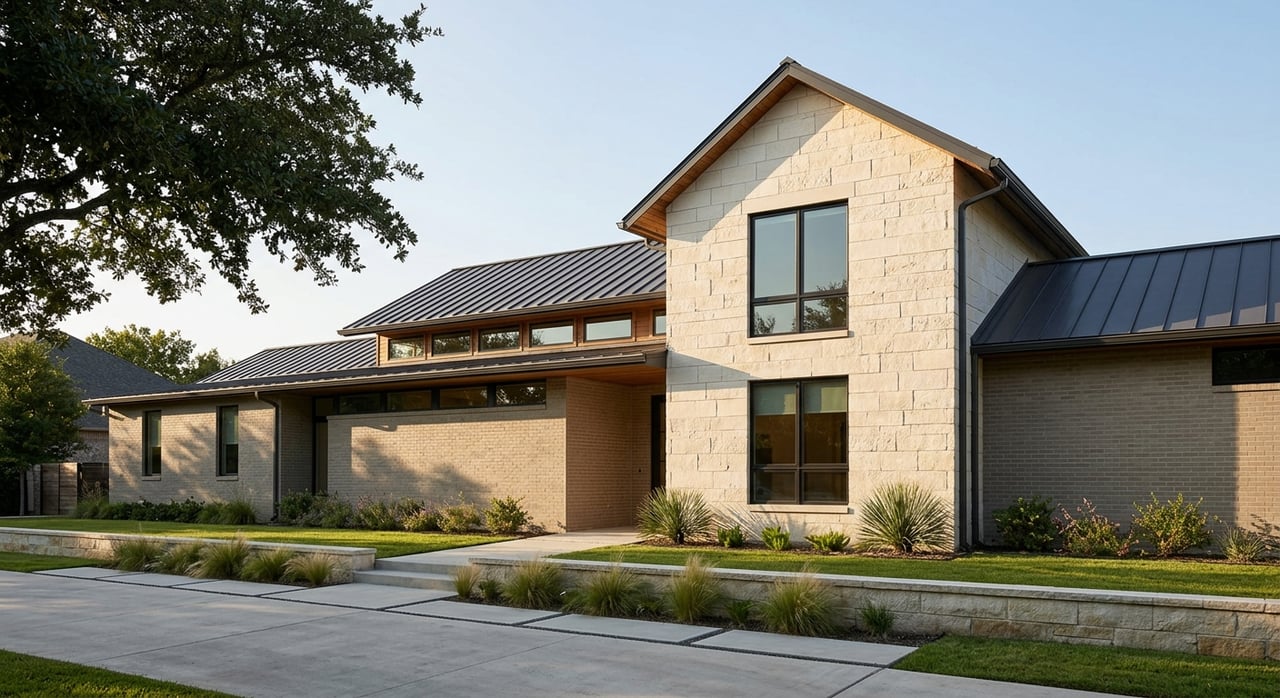
Choosing between a single-story and two-story home in Haslet is not just about looks. It affects how you live every day, how well the home fits the lot, and how comfortably it can serve you over time. If you are weighing both options, the good news is that Haslet offers a range of neighborhood types and lot patterns that make either choice possible. Let’s break down how to decide which layout fits you best.
Haslet’s planning and zoning framework supports several residential densities and lot sizes. The city’s 2024 master land use plan includes everything from low-density single-family areas with one home per acre or more to higher-density single-family areas with 2 to 8 units per acre. In simple terms, that means some neighborhoods are built for wider, more spread-out homes, while others are better suited to more compact plans.
That matters when you compare one-story and two-story homes. A single-story home usually needs more lot width to spread the same square footage across one level. A two-story home can often fit more living space on a smaller footprint, which can make it a more natural match in neighborhoods with narrower lots.
Haslet’s zoning rules also reinforce this variety. The city includes larger-lot residential districts, including one-acre single-family districts, along with smaller-lot single-family areas. As you tour homes, the lot itself may tell you just as much as the floor plan.
The best layout usually starts with your daily routine. If you want most of your living space on one level, a single-story home can feel simpler and easier to navigate. National buyer research from NAHB found that 64% of buyers wanted a single-story home, and 68% wanted the washer and dryer on the first floor.
That preference makes sense in real life. When your primary suite, laundry, kitchen, and main living spaces are all on one floor, the home can feel more convenient from day one. It can also make long-term living easier if your needs change over time.
Two-story homes offer a different kind of advantage. They often create stronger separation between living and sleeping areas, which many households like. If you work from home, host guests, or want upstairs game rooms, media rooms, or secondary bedrooms away from the main living area, a two-story plan may feel more organized.
A one-story layout removes the need to use stairs throughout the day. That can be helpful if you want easier circulation, first-floor laundry, or a primary suite on the main level. It is also a practical feature if you are thinking ahead about long-term livability.
NAHB’s aging-in-place guidance recommends main living on a single story, and AARP notes that stairs and entrances can become more difficult as mobility needs change. You may not need that feature today, but it can still be smart to consider how a home will function years from now.
On the right lot, a single-story plan can create wide sightlines and easy indoor-outdoor flow. In parts of Haslet where larger lots are more common, that can make one-story homes feel especially comfortable and spacious. If you want room for a pool, a large covered patio, or extra yard space, lot shape becomes a major part of the decision.
Single-story homes often attract buyers who value convenience and accessibility. That does not automatically make them better for resale in every case, but it does mean they remain in demand. In Haslet, where detached single-family neighborhoods are a major part of the housing mix, that broad appeal matters.
A two-story home can deliver more square footage without taking up as much lot area. In neighborhoods with standard suburban lots, that can leave more room for yard space, driveway layout, or outdoor living. If the lot is not especially wide, going vertical may simply make more sense.
Haslet’s subdivision standards include a range of lot width categories, and larger developments may require multiple lot sizes or types. That means some neighborhoods naturally support sprawling one-story homes, while others are better matched to taller, more compact plans.
If you like having bedrooms upstairs and common areas downstairs, a two-story layout can create clearer zones for daily life. That can be useful for households that want quieter sleeping areas, flexible bonus rooms, or a little distance between entertaining spaces and private rooms.
Current Haslet-area builder examples also show both one- and two-story plans on 50-foot, 65-foot, and 80-foot homesites, as well as half-acre lots. In many cases, the question is less about which style is better and more about which room arrangement fits your routine.
The U.S. Department of Energy notes that compact home design reduces surface area. For the same square footage, a two-story home can have about half the roof area and half the ground-contact area of a single-story home. That can help from a design and energy standpoint, but story count alone does not decide utility costs.
Energy performance depends on the full package, including insulation, air sealing, windows, roof design, and HVAC equipment. When you compare homes in Haslet, pay close attention to build quality and system details rather than assuming one story count is automatically more efficient.
A lot of buyers assume a one-story home should cost less because it seems simpler. In reality, NAHB says a single-story home generally costs more per square foot than a one-and-a-half-story or two-story home because it needs more roof and foundation for the same living area.
That does not mean every one-story home will have a higher total purchase price. Total cost still depends on square footage, lot size, finish level, and site work. In Haslet, where lot types can vary significantly, the land and neighborhood may influence value as much as the layout itself.
This is where a builder-minded eye can help. When two homes are priced similarly, it is worth comparing how the square footage is being delivered, how much of the lot is used by the footprint, and whether the construction details support long-term value.
One of the biggest local factors is not your preference alone. It is whether the lot comfortably supports the plan you want. A wide one-story home on a narrow lot can feel cramped, reduce backyard usability, or create a less efficient layout.
Haslet’s city standards for streets, sidewalks, landscaping, setbacks, and buffering also shape how much room is left for the actual house and outdoor living. On some lots, a two-story home may preserve more usable yard. On others, a one-story home may feel ideal and balanced.
This is especially important because Haslet includes everything from large-lot rural development at one acre or more to more conventional suburban lot patterns. The right answer often comes down to matching the floor plan to the lot class and neighborhood design.
This is a local detail many buyers miss. Haslet’s official city information notes that a Haslet mailing address does not always mean the home is inside Haslet city limits. Some 76052 subdivisions are outside city limits, even though they still use a Haslet address.
That distinction can affect the rules and services tied to a property. Before you get attached to a specific home or neighborhood, confirm whether it is actually within Haslet city limits. It is also smart to verify zoning, subdivision requirements, and any HOA restrictions that may affect the home’s use or future changes.
If you are torn between a single-story and two-story home in Haslet, ask yourself these questions:
The right choice is rarely about trends alone. It is about how the house fits your life, your lot, and your long-term plans.
With a market that continues to see active turnover, both one-story and two-story homes can make sense in Haslet. Recent market snapshots show different metrics depending on the source, but both indicate an active suburban market with homes selling and new inventory coming available. That gives buyers options, but it also makes it important to compare floor plans carefully rather than assuming one format is always the better investment.
If you want help looking past the surface and choosing a Haslet home that truly fits your needs, working with an agent who understands both layout and construction details can save you time and costly second-guessing. When you are ready to compare homes with a practical, builder-informed perspective, connect with Bryan Bell.
Stay up to date on the latest real estate trends.
Experience the expertise of Bryan Bell, a seasoned professional with 15 years in custom home building and remodeling, turned Real Estate Agent in 2014. With a unique background, Bryan ensures your home-buying journey is backed by unmatched knowledge and confidence, helping you find your dream home or make the right investment choice.