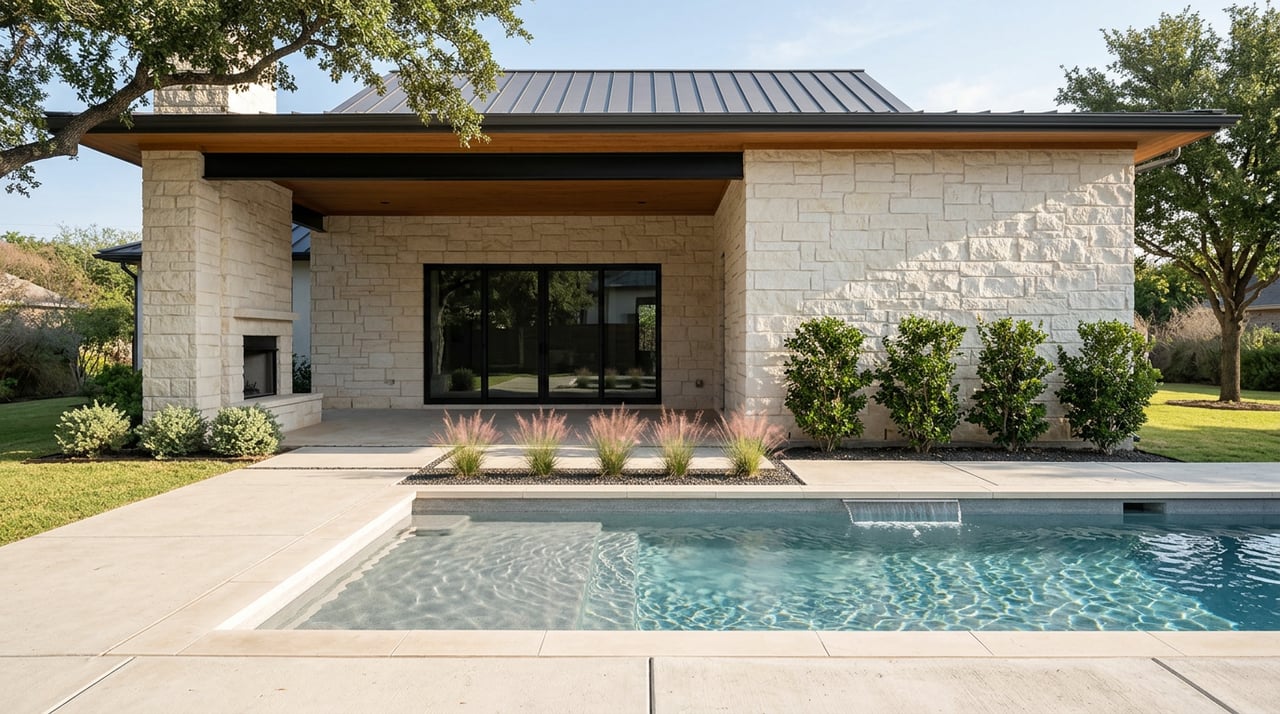
Fort Worth vs Suburbs Housing: How to Choose Wisely
March 5, 2026
March 5, 2026
Torn between the energy of Fort Worth and the space of a nearby suburb? You are not alone. Your decision shapes your daily routine, budget, and long-term plans. In this guide, you will compare home types, commute realities, school options, and true monthly costs so you can choose with confidence. Let’s dive in.
If you want lower purchase prices, shorter in-city drives, and older-home character, Fort Worth can be a smart fit. If you want larger lots, newer construction, and districts known for strong state metrics, the suburbs around Northeast Tarrant often rise to the top. Most buyers land the right answer by testing three things: commute, school boundaries, and total carrying costs.
You will find a wide range of homes, from historic bungalows near the center to mid-century neighborhoods and newer subdivisions on the edges. Typical urban lots are smaller than the estate suburbs. City-level value indices show Fort Worth’s typical home values well below the highest-price suburbs, which can stretch your budget for space or updates. See the city snapshot for context in the Fort Worth market data from Zillow’s home value index.
Southlake is known for estate-scale lots, custom luxury homes, and market values among the highest in Tarrant County. Many neighborhoods include larger parcels and modern amenities, which drive both purchase price and ongoing upkeep. For a data view, review area trends in ATTOM’s Southlake property data.
Keller offers a broad mix, from entry-level suburban homes to luxury pockets, with list and median prices generally above Fort Worth but below Southlake and Westlake at the top end. You will see many 2000s–2020s subdivisions with community amenities and HOAs. For recent market snapshots, scan the Keller market report.
Colleyville features established higher-end neighborhoods, a number of estate properties, and some newer infill. Prices often track in the upper range for the area but vary by pocket. Buyers who want a quiet suburban setting with mature homesites often place Colleyville on the shortlist.
Westlake is an ultra-high-end enclave with very large custom estates and limited supply. Privacy and exclusivity are key draws, and those traits show up in the pricing. For a quick profile, see Westlake community details.
Haslet blends rural roots with fast growth near AllianceTexas. You will find lot-size variety, from acreage to new master-planned communities. It typically trades at lower medians than the ultra-luxury markets, while offering proximity to Alliance-area employers.
Most Tarrant County commuters drive. Local reporting notes rising congestion and variability since return-to-office trends, so rush-hour tests matter. See the region’s traffic context in the Fort Worth Report’s commute coverage.
Typical examples to downtown Fort Worth during non-peak to peak periods:
Public transit options are limited across much of the suburban ring. TEXRail connects downtown Fort Worth to DFW Airport, but not every suburb has direct service. If commute time is a deciding factor, plan to drive your exact routes during peak periods before you choose a neighborhood.
School district performance varies across the region, and district lines do not match city boundaries. Always confirm the campus assignment for any specific address with the district.
Tip: campus performance can change year to year. Check the specific elementary, middle, and high school linked to your target address, not just the district average.
Sticker price is only part of the decision. Compare these line items by address to avoid surprises.
For soil and foundation context, review a local overview of North Texas soil types and movement. Regardless of where you buy, a full inspection is wise.
Your best protection is a careful inspection and a realistic 1 to 3 year maintenance plan. A builder-informed advisor can help you scope likely costs before you commit.
Use this quick workflow to compare Fort Worth vs. the suburbs you are considering.
Verify school zones by address. Do not assume the city name equals the district. Check district tools or state summaries like the Carroll ISD profile and then confirm the specific campus list.
Test-drive your commute during rush hour. Traffic has increased in recent years, so rely on live tests, not only apps. For context on recent congestion, read the Fort Worth Report’s traffic update.
Compare total carrying costs by address. Model property taxes, HOA dues, insurance, utilities, and a realistic first-year maintenance allowance. Use the city’s tax-rate reference as a starting point.
Order a full inspection tailored to home age. For older properties, add a foundation-focused review and ask about drainage, plumbing type, electrical capacity, and any prior structural work. A primer on soil behavior is here: North Texas soil types.
Plan for updates that add value. In older Fort Worth homes, targeted renovations can change your experience and resale outlook. In estates, exterior and systems maintenance protects value across a larger footprint.
If you plan to list before you buy, small upgrades and expert presentation can move your sale price and timing. With a background in custom building and remodeling, Bryan helps you pinpoint fixes with the highest return and leverages Compass programs like Concierge to fund and manage pre-sale improvements and staging. The goal is simple: reduce friction, shorten days on market, and protect your net proceeds.
Whether you land in Fort Worth or a nearby suburb, the right plan starts with clear data and expert eyes on the property. If you want builder-level insight on structure, finishes, and future costs, along with polished marketing if you are selling, connect with Bryan Bell. You will get a straightforward, locally informed game plan for your next step.
Stay up to date on the latest real estate trends.



Experience the expertise of Bryan Bell, a seasoned professional with 15 years in custom home building and remodeling, turned Real Estate Agent in 2014. With a unique background, Bryan ensures your home-buying journey is backed by unmatched knowledge and confidence, helping you find your dream home or make the right investment choice.