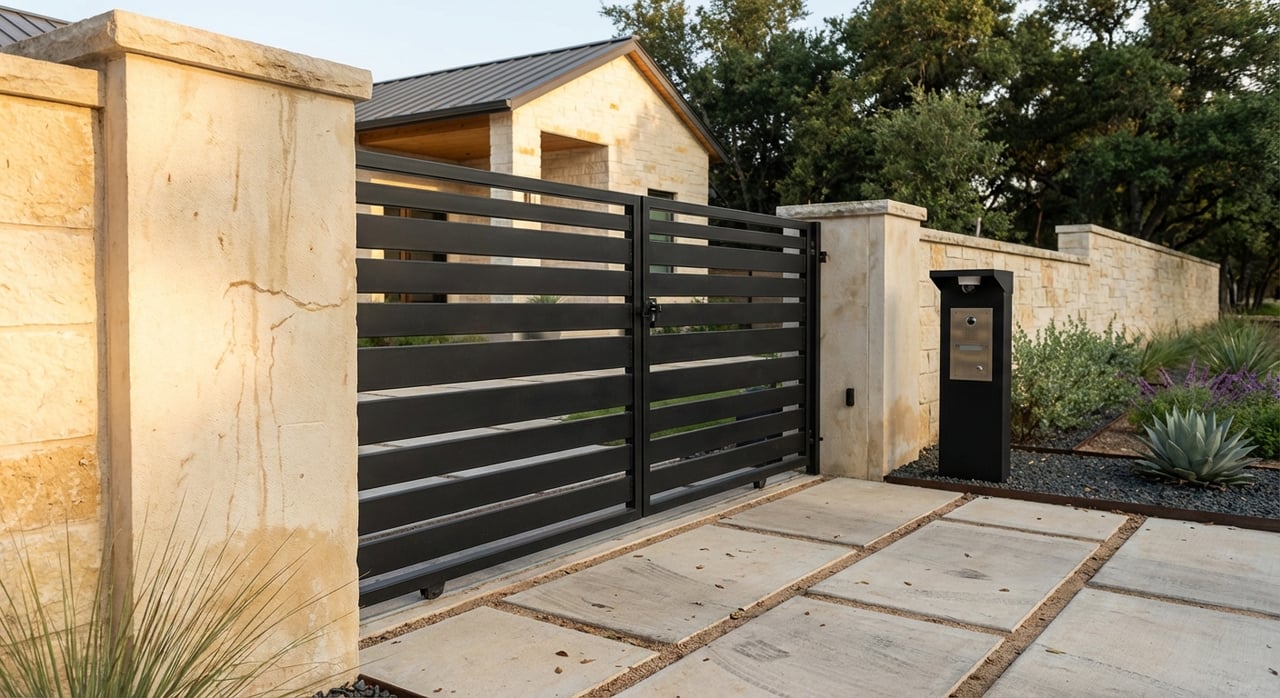
Westlake Gated Communities Real Estate Buying Guide
February 19, 2026
February 19, 2026
Thinking about a gated community in Westlake but not sure what to look for beyond the gates? You are not alone. These neighborhoods offer privacy, design control, and amenities, but the details matter at closing and for long‑term ownership. In this guide, you will learn how to evaluate communities, read HOA rules with confidence, verify schools and taxes, and plan inspections like a pro. Let’s dive in.
Westlake is a small, high‑value town north of DFW with a mix of gated country club enclaves, estate subdivisions on larger lots, and smaller master‑planned pockets. The Town partners with developers on infrastructure and provides core municipal services where contracted. You can get a feel for neighborhood types and maintenance responsibilities on the Town’s Neighborhoods and HOAs page.
What sets Westlake apart is the range of lot sizes, architectural controls, and private road or gate arrangements. Some communities offer club amenities, while others focus on estate‑style privacy and custom homebuilding. Understanding how each community is set up will help you align your search with your priorities.
Vaquero is a private, gated and guarded country club community known for large custom residences, golf, and equestrian‑style amenities. Club membership policies can vary by listing, and some language may reference approval or transfer steps. Always confirm membership requirements, fees, and any approval process directly with the HOA and the club before making assumptions.
Knolls at Solana is an intimate gated enclave with a smaller number of wooded, hilltop lots. Community pages often outline HOA dues and building minimums that guide architecture and site standards. Review the community’s official information on the Knolls at Solana site, then verify details with current HOA documents during the option period.
These areas include a mix of half‑acre to multi‑acre lots. Quail Hollow is planned for approximately 96 estate lots that are generally an acre or more. The Town maintains helpful summaries of subdivisions, planned lot sizes, and development agreements on its Residential Subdivisions page, which you can use to cross‑check parcel‑level details while you shop.
When you buy in a Westlake gated community, the HOA’s governing documents and Texas statutes shape what you can build, how rules are enforced, and the fees you can expect at closing. Start with two chapters of the Texas Property Code: Chapter 207, which covers resale‑certificate disclosures and timing, and Chapter 209, which outlines association records access, meetings, architectural review, and limits on collections.
Use the state HOA portal to locate the recorded management certificate that identifies the association’s official contact and any recorded instruments. It is a fast way to confirm who to contact and what fees apply. You can start with TREC’s HOA management certificate guidance.
A Westlake mailing address does not point to a single school zone. The Town includes areas served by multiple ISDs, and it is important to confirm the exact school assignment at the parcel level. Westlake Academy is an open‑enrollment K–12 IB charter school located in Westlake with an application and lottery process. Carroll ISD provides transfer options for Town of Westlake residents when capacity allows.
For school planning, start with the Town’s summary of Municipal and Academic Services. Then contact the relevant district to verify campus assignments and whether an open‑enrollment or transfer application is required.
Westlake has adopted a relatively low municipal tax rate in recent years. Your total property tax bill will still vary by parcel based on ISD assignment and other taxing units. You can review the Town’s overview on the Property Tax page, then confirm the current levy by pulling the property at the Tarrant Appraisal District.
Some pockets may overlap special districts, like PIDs or MUDs, that add assessments. The HOA’s management certificate and the recorded plat typically note these. Westlake often partners with developers on water, sanitary sewer, and other infrastructure, though service and maintenance responsibilities can differ by subdivision. Ask whether your lot is on Town water and sewer, whether any private lift stations serve the area, and if utilities are underground or franchised. These details shape long‑term operating costs and insurance coverage.
Large custom homes need a deeper inspection plan. A general home inspection is the baseline, but you should budget time and funds for specialists familiar with big‑home systems. Industry guidance for luxury and large homes highlights the value of additional experts and longer site time, as outlined in this overview from InspectorPro Insurance.
Add a structural engineer to evaluate the foundation, major framing, and retaining walls. North Texas has expansive clay soils, so if you plan new hardscape or substantial landscaping, request the geotechnical report used for the original foundation design or commission a new one. For building systems, use MEP specialists to review HVAC zoning, electrical service capacity and subpanels, generators and surge protection, and plumbing supply, water pressure, and tankless or filtration gear.
Do not forget envelope and site experts. A roof and building‑enclosure specialist can assess flashings, window systems, and penetrations that are common leak points in complex builds. A pool and spa technician can test equipment and plumbing, and a camera sewer scope can catch main‑line issues. If the home has a sophisticated smart‑home or AV system, bring in an integrator to verify documentation, control hardware, backup power, and warranty transferability.
If you are purchasing new construction or a recent build, request the builder contract, change‑order log, and final permit and inspection sign‑offs with the certificate of occupancy. Confirm the builder’s structural warranty and whether it follows the common 1‑2‑10 format for workmanship, systems, and structural coverage. You can learn more about typical new‑build warranty structures from 2‑10 Home Buyers Warranty, then verify transferability and exclusions in writing.
Use this list during showings and your option period:
Choosing the right Westlake gated community is about matching your goals with the rules, costs, and systems that come with the property. With a builder’s eye for structure and finishes, you can look beyond curb appeal and evaluate long‑term value, operating costs, and lifestyle fit. If you want guidance tailored to your short list, reach out to Bryan Bell to walk through HOA documents, inspections, and offer strategy with construction‑level detail.
Stay up to date on the latest real estate trends.


Experience the expertise of Bryan Bell, a seasoned professional with 15 years in custom home building and remodeling, turned Real Estate Agent in 2014. With a unique background, Bryan ensures your home-buying journey is backed by unmatched knowledge and confidence, helping you find your dream home or make the right investment choice.