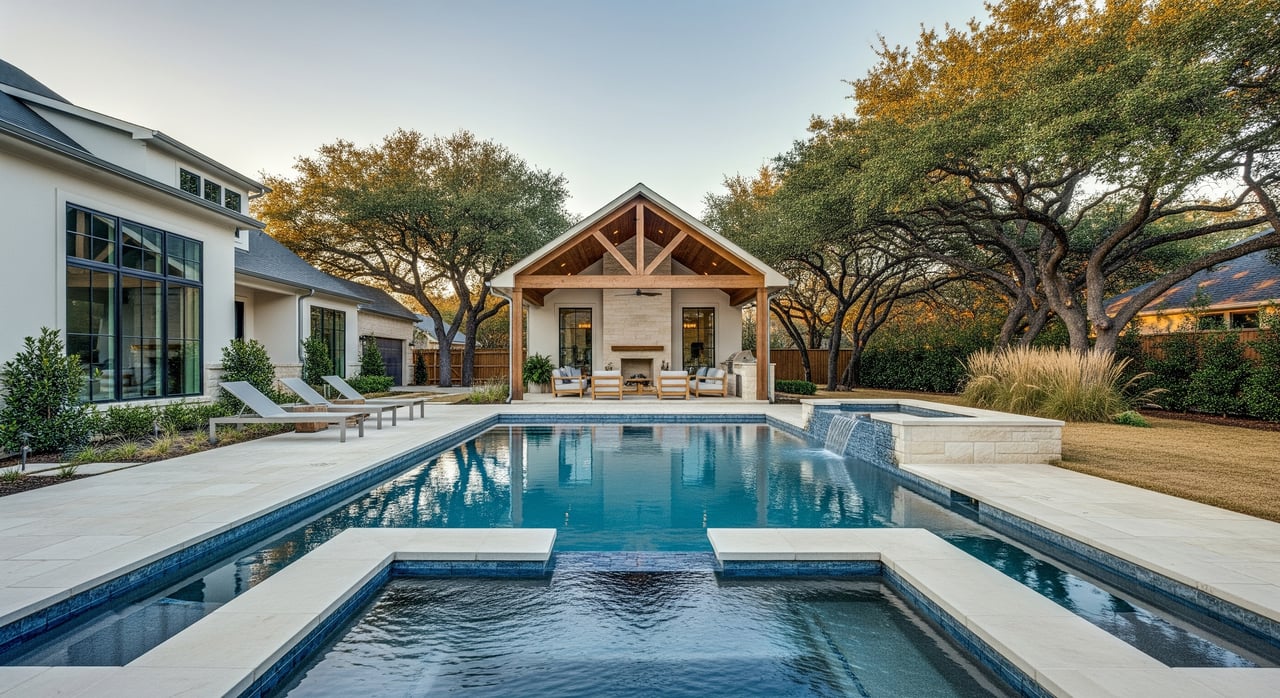
Evaluating Pool Resale Value for Keller Homes
January 15, 2026
January 15, 2026
Thinking about a pool at your next Keller home, or wondering if upgrading your current pool will pay off at resale? You are not alone. In North Texas, outdoor living is a priority for many buyers, but not everyone values a pool the same way. In this guide, you will learn how pools impact resale in Keller, what they cost to own or add, and the smart steps to take before you buy or sell. Let’s dive in.
Keller’s long, hot summers create strong seasonal interest in pools. Many buyers picture family time and entertaining in the backyard, which can boost a pool’s appeal. That said, buyer segments value pools differently.
Neighborhood comparables carry the most weight. In Keller subdivisions where pools are common, a pool may be expected and less likely to limit your buyer pool. In areas where few homes have pools, adding one may not bring a matching price premium and can narrow interest.
Think about value and marketability as two separate levers. A pool can add tangible value for the right buyers, while also reducing the total number of interested buyers.
Keep in mind that pools are recognized as improvements by appraisal districts. In Tarrant County, a pool can increase appraised value, which may raise your property taxes.
Before you buy a home with a pool or plan an installation, build a realistic cost picture. Ranges below are common industry estimates and vary by size, features, and equipment.
Site factors matter. Soil conditions, yard access for excavation, permit needs, and finish choices can swing the budget.
Plan for routine upkeep of about $1,000 to $3,000 per year for chemicals, cleaning, and basic service. Electricity for pumps and heaters depends on equipment efficiency and how often you run them. Heating a pool can add significantly to energy bills if you use it frequently. Larger repairs and equipment replacement, such as pumps, filters, heaters, or resurfacing, happen on multi-year cycles.
Refreshing a tired pool often works better than building new right before a sale. Consider resurfacing if needed, replacing aging equipment with variable-speed pumps and efficient heaters, and adding LED lighting. These upgrades can lower operating costs and increase buyer confidence without the long lead time of a new install.
Pools increase liability exposure. Most homeowners policies address pool-related incidents, but carriers may require safety features like fencing with self-closing gates or alarms. Some insurers restrict coverage for diving boards or slides. Many homeowners choose higher liability limits or an umbrella policy when a property has a pool.
Before you buy or install, speak with your insurer about:
Most Texas cities require permits and inspections for in-ground pools. In Keller, the city’s Development and Building Services oversees pool permits and barrier standards. Fence and gate requirements often include a minimum height and self-closing, self-latching mechanisms, but you should confirm current rules before you build or sell.
If your neighborhood has an HOA, review the CC&Rs. Many HOAs regulate pool placement, fencing style, setbacks, and approval timelines. You need both city and HOA approvals for compliant installations.
For buyers, a dedicated pool inspection is recommended. The inspection should cover equipment function, structural integrity, leak testing, electrical grounding and bonding, safety barriers, and visible deck surfaces. For sellers, gather permit documents, maintenance records, and any repair history to reduce buyer uncertainty.
If you are near a sale, installing a new in-ground pool is risky. Lead times are long and costs are significant, and it may narrow your buyer pool. In most cases, targeted upgrades to an existing pool yield a better near-term return.
If you need help coordinating pre-sale updates, Compass Concierge can fund and manage targeted improvements that help your home show its best and sell faster.
Use this simple test before you invest:
If three or more categories point negative, a pool is likely a net negative for resale or buyer desirability right now.
In Keller’s climate, the full outdoor experience matters. Present the pool as part of a complete space: shaded seating, safe fencing, clean decking, and tidy landscaping. Provide buyers with equipment ages, recent service, and any energy-efficient upgrades. Documented condition plus strong visuals can shorten days on market.
Whether you are weighing a purchase with a pool or considering updates before selling, the best results come from local specifics: your neighborhood comps, your pool’s condition, and your timeline. Get quotes from reputable pool pros, confirm city and HOA requirements, and talk with your insurer early.
If you want clear, construction-informed guidance tailored to Keller, reach out. With a builder’s eye and modern marketing tools, we will help you decide where a pool adds value and how to position your home for the best outcome. Connect with Bryan Bell to request a free home valuation and a plan for your next move.
Stay up to date on the latest real estate trends.
Experience the expertise of Bryan Bell, a seasoned professional with 15 years in custom home building and remodeling, turned Real Estate Agent in 2014. With a unique background, Bryan ensures your home-buying journey is backed by unmatched knowledge and confidence, helping you find your dream home or make the right investment choice.