More space, better finishes, and a location that fits your daily life. If that is your next move, Southlake gives you real choices, but they are not all the same. You might be weighing yard size against commute time or new construction against a custom remodel. In this guide, you will learn how Southlake neighborhoods differ for move-up buyers, what trade-offs to expect, and how to verify the details that matter to your family. Let’s dive in.
What move-up means in Southlake
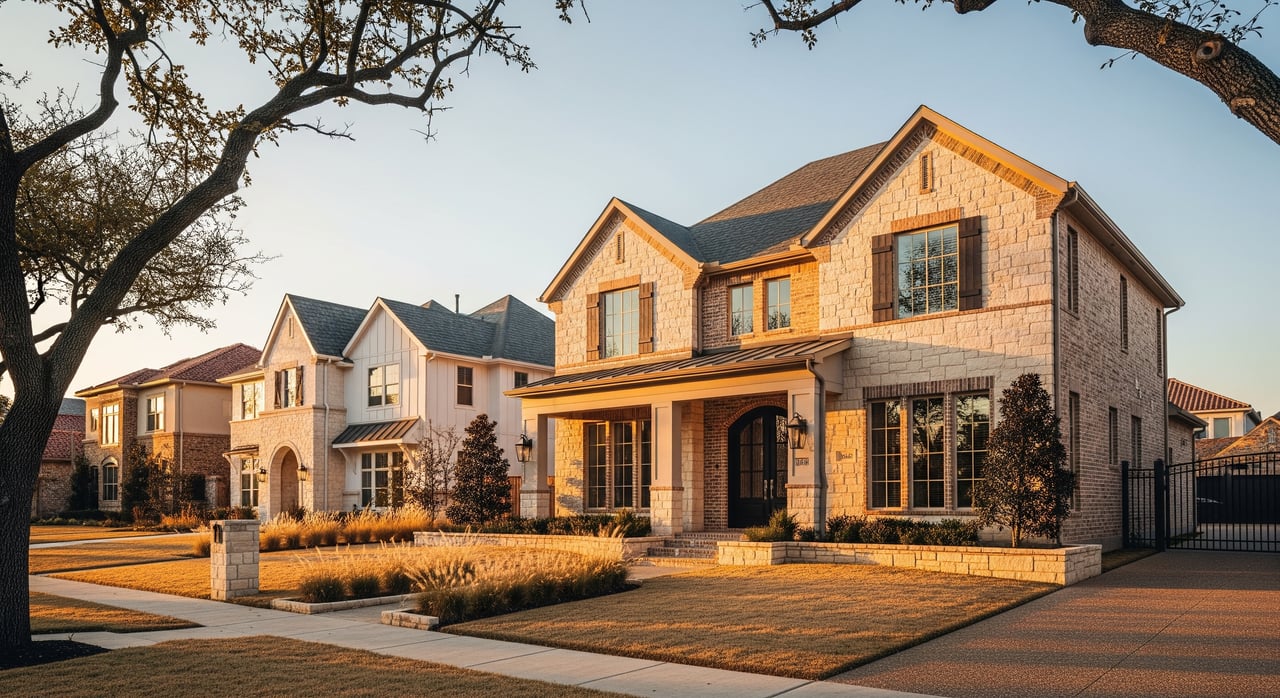
A move-up purchase in Southlake usually means a larger yard, more interior square footage, and higher-end finishes. Many buyers also watch school boundaries closely and want a lifestyle fit, like club amenities or walkability to Town Square. Inside city limits, land is limited, so inventory and price per square foot can be tighter than in nearby suburbs. Knowing which neighborhood type fits your goals will help you act fast when the right home appears.
Schools and supply shape choices
Strong, school-driven demand and proximity to DFW Airport create steady interest across Southlake. Most homes are within Carroll ISD, but always verify a specific address using the district’s boundary lookup on the Carroll ISD website. New-build options exist, yet they are limited inside the city, and builders often price at a premium in established neighborhoods. These factors make well-located, updated homes move quickly, while older properties that need significant work may sit longer.
Estate and custom enclaves
If you want privacy and land, estate and custom pockets may be the best fit.
- Lot size: often 0.5 acre to multiple acres, with many properties at 1 acre or more.
- Home ages: a mix of 1980s to 2000s customs with newer rebuilds and infill from the 2010s to today.
- Price profile: wide range from the high six-figures to multiple millions, tied to lot size and finish level.
- Finishes: high-end custom details, grand ceilings, premium kitchens, pools, guest houses, and private yards.
- HOA: lighter covenants are common, and some areas have no HOA.
What to consider:
- You trade larger lots and privacy for longer drives to Town Square and everyday retail.
- Remodel potential can be a plus, especially in older customs, but verify major systems and structural items.
- Resale tends to attract buyers who value space and custom homes, with a smaller buyer pool at the ultra-luxury level.
Golf and country-club communities
If amenities drive your search, golf and club neighborhoods add lifestyle value.
- Lot size: varies from moderate yards around 0.25 to 0.5 acre to estate sections at 1 acre or more.
- Home ages: many were built in the 1990s to 2010s, with ongoing resales and some infill.
- Price profile: premium to high premium, with premiums highest for course views and amenity proximity.
- Finishes: builder and custom finishes, with many homes receiving upgrades or remodels over time.
- HOA: active HOAs with amenity dues, architectural review, and community standards.
What to consider:
- Decide which amenities matter most to you, like golf, pool, tennis, or clubhouse access.
- Annual dues and any assessments are part of your carrying costs, so confirm fees early.
Master-planned subdivisions
If you want consistent finish quality and predictable resale, master-planned areas may suit you.
- Lot size: generally smaller than estate areas, often 0.15 to 0.5 acre, with premiums for select lots.
- Home ages: 2000s to 2020s, including pockets of recent construction.
- Price profile: mid to high six-figures for many move-up homes, with clearer comparable sales than custom estates.
- Finishes: modern builder finishes, with options to upgrade in newer phases.
- HOA: active community rules, architectural guidelines, and neighborhood amenities like pools, parks, and trails.
What to consider:
- You get contemporary layouts without the full maintenance profile of a custom estate.
- Defined comps can make pricing and future resale more predictable.
Town Square and infill living
If walkability and convenience matter most, Town Square-adjacent areas and infill options deliver that lifestyle.
- Lot size: smaller yards, townhomes, or condos, with tighter setbacks and modest rear yards.
- Home ages: a mix of older homes with remodels and newer infill townhomes and condo projects.
- Price profile: price per lot can be lower, but close-in locations keep price per square foot competitive.
- Finishes: variable, from original interiors to high-end renovations and luxury townhomes.
- HOA: typical for townhomes or condos and some infill subdivisions.
What to consider:
- You trade large yards for walkability to restaurants, shops, and events at Town Square.
- Resale remains strong with buyers who prioritize convenience and low-maintenance living.
Nearby options: Westlake and Keller
Westlake and Keller can open up different price and lifestyle choices if you want to widen your search.
- Westlake: small municipality next to Southlake known for large estate lots, privacy, and ultra-luxury homes. Some addresses attend Carroll ISD, but always verify by property. Inventory is limited and search timelines can be longer.
- Keller: a larger city with more master-planned subdivisions and wider price ranges. Most addresses feed into Keller ISD, which you can verify on the Keller ISD site. Keller often offers more space for the budget on a price-per-square-foot basis than Southlake.
Compare like a pro: buyer checklist
Use this checklist to compare homes across neighborhood types:
- Lot and yard: size, usable area, irrigation, drainage, tree coverage, and grading.
- Home age and systems: roof, HVAC, windows, wiring, and plumbing, plus any recent permits.
- Layout: square footage, bedroom count, primary suite location, ceiling heights, and storage.
- Finishes: cabinetry quality, countertops, flooring, built-ins, and smart home features.
- Garage and storage: two-car versus three-car or more, shop space, and attic access.
- Pool and spa: current condition, expected maintenance, and replacement cost.
- HOA: dues, rules, and architectural guidelines, especially for exterior changes and additions.
- Schools: verify the specific address and feeder pattern with the district.
- Commute: drive times to work, major highways, and DFW Airport.
- Lot constraints: floodplain, FEMA maps, easements, and setbacks.
- Utilities: municipal water and sewer versus any unique setup, and utility capacities.
- Taxes: review property tax history and entities with the Tarrant Appraisal District.
- Market fit: recent comparable sales and days on market in the exact subdivision.
Costs, taxes, and timing
Carrying costs include property taxes, HOA dues, and any club or amenity fees. You can confirm tax history and entities for any property using the Tarrant Appraisal District. In many cases, well-priced, updated homes inside sought-after boundaries see faster activity. Older homes that need full interior updates may require longer timelines or targeted renovation plans.
Resale and renovation tips
Focus your upgrade budget on kitchens, primary suites, and outdoor living. In older areas, opening floor plans and updating mechanicals can unlock value, but check any HOA covenants and architectural review rules before planning exterior changes. For estate properties, review any land-use limits and verify floodplain or easements that can affect how you use the yard. If you are selling your current home first, strategic pre-sale improvements and staging can shorten time on market and raise net proceeds.
How to verify details
Before you make an offer, verify the details that impact value and daily life:
When you want a clear read on current pricing and inventory, have your agent run a custom comparative market analysis for the exact subdivision and lot type you want.
Ready to shortlist like a local
If you are weighing yard size versus walkability or a custom estate versus a master-planned home, you do not have to guess. With construction know-how and local insight, you can compare real trade-offs, estimate renovation scope, and move with confidence when the right home hits the market. When you are ready to refine your shortlist or schedule tours, connect with Bryan Bell for one-on-one guidance and data-driven next steps.
FAQs
What defines a move-up home in Southlake?
- A larger yard and interior space than your current home, higher-end finishes, and a location that fits your routine, like club amenities or Town Square access.
How do estate lots compare to master-planned areas?
- Estates offer privacy and larger lots with more custom features, while master-planned areas deliver consistent finishes, community amenities, and more predictable resale comps.
Are all Southlake homes in Carroll ISD?
- Most are, but boundaries can change, so verify any address using the Carroll ISD site before you make an offer.
What annual costs should I expect besides the mortgage?
- Plan for property taxes, HOA dues, and any club or amenity fees, and confirm exact numbers through the Tarrant Appraisal District and the community’s documents.
How long does it take to find a move-up home in Southlake?
- Inventory can be limited, so timelines vary, and well-priced, updated homes may go quickly, while older homes that need work may stay on the market longer.
Where can I verify floodplain or lot constraints?
- Use the FEMA Flood Map Service and the City of Southlake’s maps to confirm flood status, easements, and setbacks for any property.