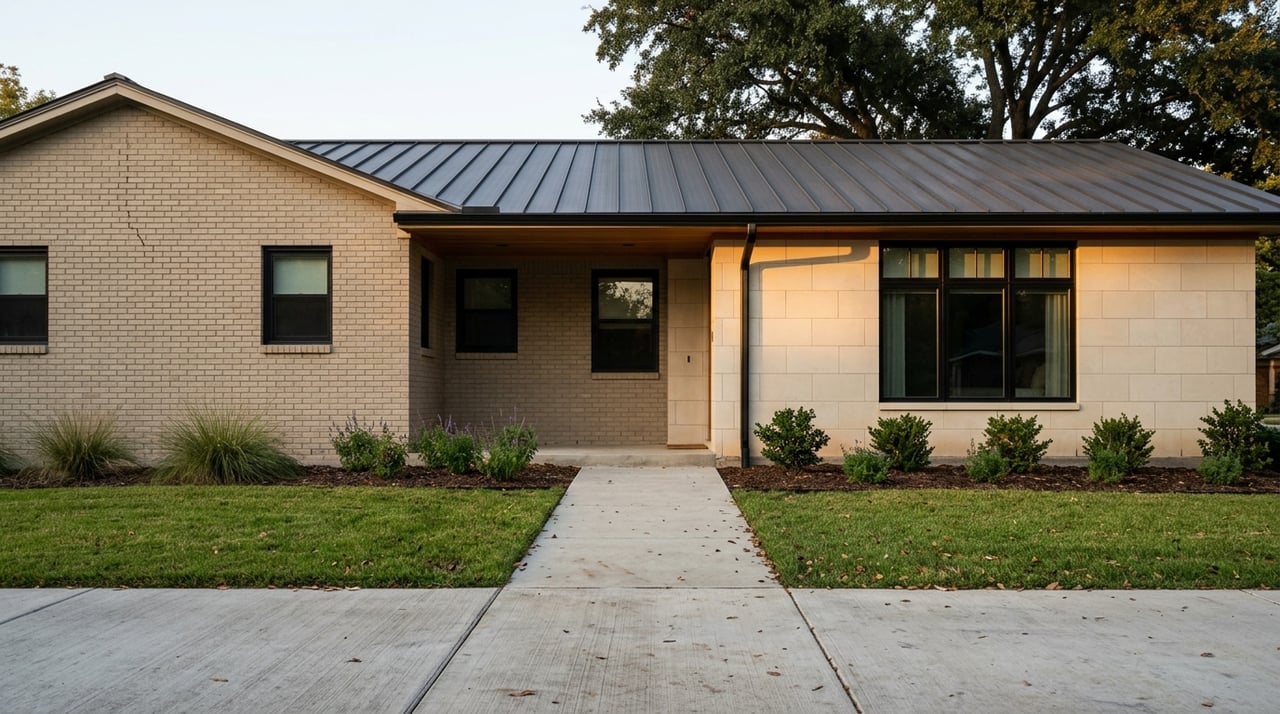
Choosing Between Historic and Newer Homes in Fort Worth
April 23, 2026
April 23, 2026
Choosing between a historic home and a newer build in Fort Worth is not just about style. It is also about maintenance, renovation rules, energy performance, and how much uncertainty you want to take on after closing. If you are weighing charm against convenience, this guide will help you understand the real trade-offs so you can make a more confident decision. Let’s dive in.
In Fort Worth, older homes are most concentrated in the central city, where the city’s preservation program includes 11 local historic districts and more than 7,000 designated historic properties. The city describes Fairmount-Southside as one of the largest residential historic districts in the country, and it notes that the highest concentration of historic resources is in the central city. You can review the city’s preservation planning details in Fort Worth’s historic preservation framework.
Within the broader Near Southside area, you will find a mix of early 1900s single-family homes plus newer and rehabilitated historic apartment buildings. The city notes that Fairmount was first platted in the late 1800s, Ryan Place began in 1911, and Mistletoe Heights developed as an early 20th-century neighborhood. Fort Worth’s urban design resources give helpful context if you want to understand how these areas evolved.
Newer housing is expanding more on the west side of Fort Worth. The city says the Veale Ranch PID is designed to support about 6,601 single-family homes, and Walsh Ranch/Quail Valley PID supports infrastructure for an ongoing master-planned community. You can see current city information through Fort Worth’s public improvement district page.
Pre-1940 homes often deliver the architectural details buyers love, but they also require more careful due diligence. Fort Worth notes that adapting historic buildings can involve current code compliance and hazardous materials, especially when renovation is part of the plan. That matters if you hope to update kitchens, baths, windows, siding, or exterior features.
If a home was built before 1978, the EPA says it may contain lead-based paint, and the older the home, the more likely lead is present. The EPA lead disclosure rule is especially relevant when you are evaluating older properties. For homes with materials from earlier eras, the Consumer Product Safety Commission also notes that asbestos may appear in roofing, siding, floor tile, pipe wrap, and insulation, especially in houses built or renovated during the 1930s through 1950s, according to the CPSC asbestos home guidance.
Homes from the 1940s through the 1970s often sit in the middle ground. They may offer larger lots and established streetscapes, but they are still old enough to raise questions about lead-based paint, asbestos-containing materials, and how much of the home has actually been updated over time.
In practical terms, these homes often need a closer look at what is original and what has been replaced. You will want to verify the age of major systems, whether previous work was permitted, and whether upgrades were completed to current standards where required. This is where a careful review of property records and inspection findings can make a major difference.
Homes built in the 1980s, 1990s, and early 2000s usually offer a more predictable maintenance baseline than much older properties. Fort Worth notes that Texas adopted its first statewide energy conservation code in 2001, and the city currently uses the 2015 IECC, the 2021 building, mechanical, plumbing, fuel gas, and fire codes, plus the 2023 National Electrical Code. You can review that on the city’s building and energy codes page.
That does not mean these homes are maintenance-free. Roofs, HVAC systems, windows, finishes, and plumbing fixtures still age, and replacement timing matters. Still, buyers often see fewer immediate code-gap surprises compared with older homes.
Newer homes are usually built with more attention to the whole house as a system. The U.S. Department of Energy explains that air sealing, insulation, moisture control, and ventilation all work together to improve comfort and efficiency. According to the DOE’s air sealing guidance for new home construction, air leakage can account for 30% or more of heating and cooling costs.
That can be especially important in North Texas, where long cooling seasons put real pressure on a home’s envelope and mechanical systems. If you value lower maintenance and more current efficiency standards, a newer Fort Worth home may offer a smoother ownership experience from day one.
Historic homes often stand out because they feel distinctive right away. Original millwork, front porches, mature settings, and architecture tied to a specific era can be hard to replicate in newer construction. For many buyers, that sense of identity is the main draw.
The trade-off is that historic ownership often comes with more rules and more planning. Fort Worth states that local historic district guidelines can govern new construction and alterations to the materials and design of existing structures. The city also says a Certificate of Appropriateness is required before permits are issued for exterior alterations, new construction, or demolition, as explained on the city’s historic preservation page.
That does not mean owning a historic home is a burden. In fact, Fort Worth’s preservation office says it can help owners research a home’s history, find qualified craftsmen, and make design choices that fit the structure. For the right buyer, that guidance can be a real advantage.
Newer homes usually appeal to buyers who want fewer unknowns. Floor plans may feel more aligned with current lifestyles, and systems are often easier to evaluate because they are newer and more standardized. If you are relocating, managing a busy schedule, or trying to avoid major projects right after closing, that simplicity matters.
Energy performance is another common advantage. The DOE’s home weatherization guidance frames comfort and efficiency around air sealing, insulation, moisture control, and ventilation. In many newer homes, those elements are more likely to reflect current building practices than they do in older properties.
The trade-off is that some buyers feel newer homes can be less distinctive in design or setting. Whether that matters depends on your priorities. Some buyers want character they can see immediately, while others want predictable systems and lower upfront maintenance.
This should be one of your first questions if you are considering an older Fort Worth property. If the home is in a local historic district, exterior changes generally need a Certificate of Appropriateness before permits are issued. That can affect your renovation timeline, design options, and budget.
If yes, lead-based paint should be part of your due diligence. The EPA says buyers and renters of most pre-1978 housing have the right to disclosure of known lead-based paint information. If a home has not been tested, it is wise to treat it as a possible lead-paint property until you know more.
If so, asbestos may be a consideration. CPSC guidance notes that asbestos can appear in several building materials, including insulation and floor products. If you plan to remodel, suspect materials should be evaluated before they are disturbed.
Ask about insulation, air sealing, windows, and ventilation. In newer homes, these features are more likely to line up with current code expectations. In older homes, they may have been improved over time, but the quality and completeness of those improvements can vary.
This question matters in every era, but especially in older homes. Look for records on roof age, HVAC age, plumbing and electrical updates, window replacements, permit history, and any historic approvals if applicable. Good documentation can reduce guesswork and help you plan for future costs.
If you are drawn to original details, central-city character, and the story behind a home, a historic property may be the better match. You just need to go in with a clear plan for inspections, renovation limits, and ongoing maintenance. The right historic home can be deeply rewarding, but it usually asks more from you as an owner.
If you prefer a more straightforward path, a newer home may fit better. You may give up some architectural character, but you often gain more predictable systems, stronger efficiency standards, and fewer renovation hurdles. For many buyers, especially those balancing work, family, or relocation, that trade can make a lot of sense.
In either case, the smartest move is to look beyond finishes and focus on the home’s real condition, long-term upkeep, and how it supports your goals. That is where construction insight becomes valuable. If you want help comparing older and newer homes in Fort Worth with a practical eye toward condition, updates, and resale potential, connect with Bryan Bell for tailored guidance.
Stay up to date on the latest real estate trends.

Experience the expertise of Bryan Bell, a seasoned professional with 15 years in custom home building and remodeling, turned Real Estate Agent in 2014. With a unique background, Bryan ensures your home-buying journey is backed by unmatched knowledge and confidence, helping you find your dream home or make the right investment choice.