Custom Home Details Colleyville Buyers Notice
July 16, 2026
July 16, 2026
What makes one custom home in Colleyville feel memorable while another feels expensive but forgettable? In a market where listing prices often reach the seven figures, buyers tend to notice more than square footage and countertop choices. If you are buying, selling, or preparing a home for market, it helps to know which details stand out first and which ones quietly shape comfort and value every day. Let’s dive in.
Colleyville is a high-value, mostly owner-occupied market. Census QuickFacts lists a median household income of $218,328, an owner-occupied housing rate of 96.7%, and a median owner-occupied home value of $784,900. Realtor.com currently places the median listing price around $1.2 million, with about 151 active listings and a median of roughly 28 days on market.
In a market like that, buyers often compare homes closely. They are not just asking whether a home is large enough. They are also looking at how well it lives, how thoughtfully it was finished, and whether it feels comfortable in the North Texas climate.
One of the first things buyers notice is the way a home flows. NAR’s 2025 buyer survey found that 57% of internet-using buyers rated floor plans very useful, and 79% said detailed property information was very useful. That matters because many impressions are formed before a showing even begins.
When buyers walk through a custom home in Colleyville, they often respond to practical design choices. A good plan usually feels easy to understand, with fewer dead hallways, a clearer split between quiet and active spaces, and rooms that can adapt to changing needs.
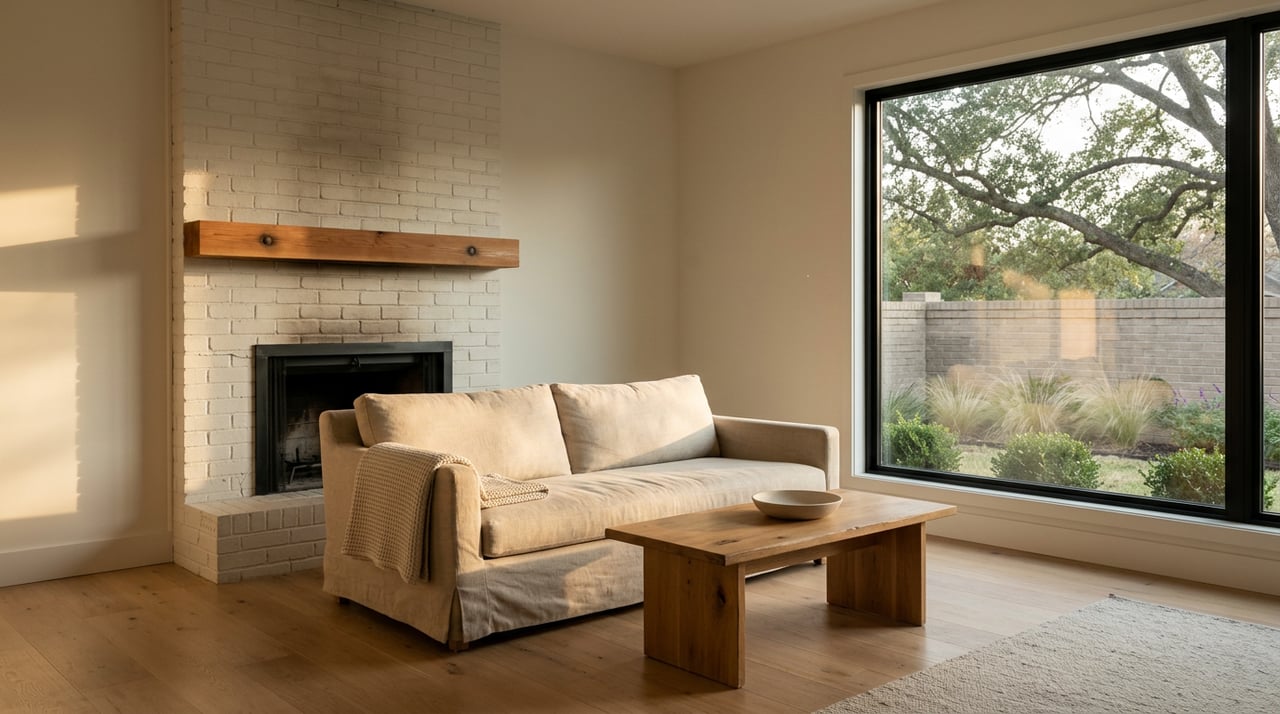
NAHB buyer-preference research shows many buyers still prefer kitchens that flow into family rooms. That kind of layout supports everyday living and entertaining without making the home feel chopped up.
In plain terms, buyers often notice whether the kitchen feels connected to the home’s main gathering spaces. If sightlines are strong and movement feels natural, the home tends to read as more custom and more considered.
A dedicated office is useful, but flexibility matters too. A room that can serve as a study, guest space, or hobby area often feels more practical than a highly specialized room with only one purpose.
That same research also shows interest in a laundry room, a walk-in pantry, and a full bath on the main level. These are not flashy upgrades, but they are details buyers tend to appreciate because they support daily life.
Open layouts are popular, but buyers still value some separation between noisy and quiet zones. Bedrooms near busy entertaining areas, media rooms next to work spaces, or long paths between the garage and pantry can stand out for the wrong reasons.
In custom homes, thoughtful planning often shows up in these small decisions. Buyers may not always describe them in technical terms, but they usually feel the difference.
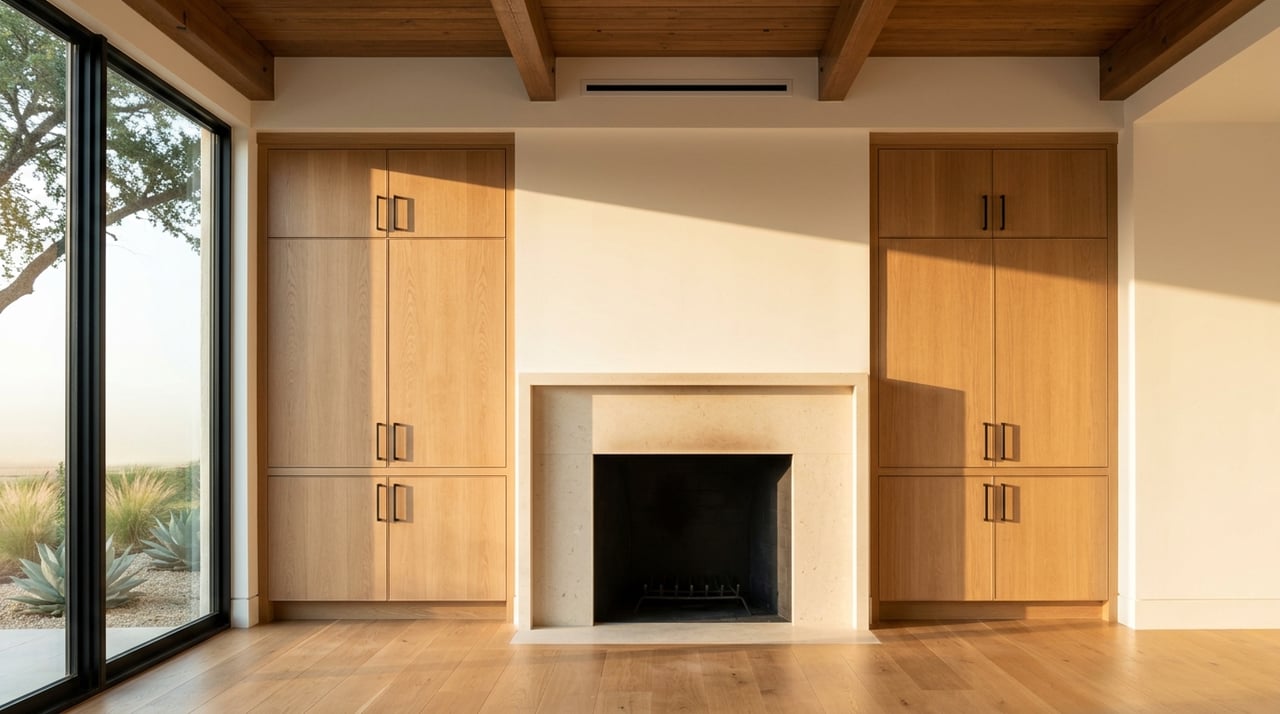
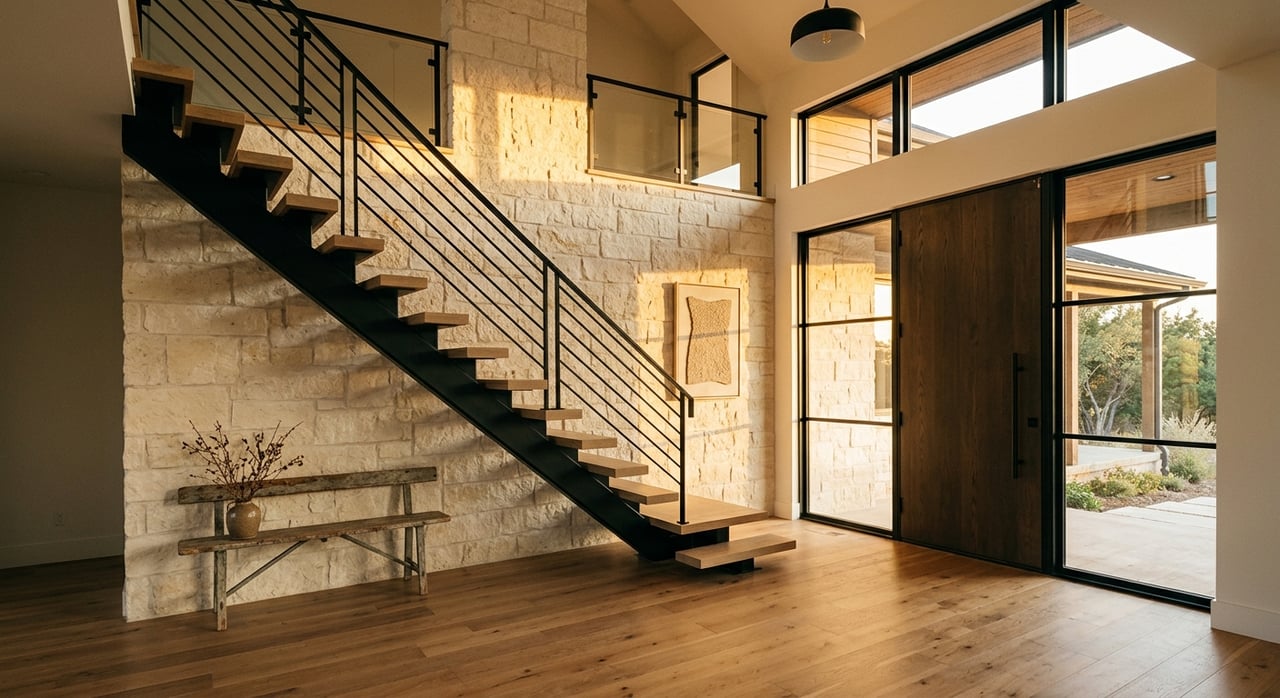
Custom homes often stand apart through details that create character and depth. Recent Houzz design coverage points to statement ceilings, paneling, fluting, built-ins, and handcrafted details as features that add warmth and interest. NAHB also notes growing interest in built-in kitchen seating and exposed beams.
These elements help a home feel intentional rather than generic. In a Colleyville showing, buyers often notice the trim package, ceiling treatment, and millwork long before they start discussing paint colors.
Wall paneling, fluted detailing, and well-scaled trim can change how finished a room feels. Even subtle millwork can give a home a stronger architectural identity.
This matters because buyers often use visible details as shorthand for overall quality. Clean lines, balanced proportions, and consistent craftsmanship suggest that the home was designed and built with care.
Built-ins are not just decorative. Houzz design coverage notes that built-ins can create a focal point while improving storage and function.
In daily life, that might mean a family room with integrated shelving, a mudroom drop zone, or a breakfast area with built-in seating. Buyers tend to respond well when a custom detail also makes the home easier to use.
Ceiling treatments can quietly change the feel of a room. Beams, tongue-and-groove finishes, or simple tray details can make large spaces feel warmer and more grounded.
In higher-end homes, these features often help buyers distinguish a true custom feel from a house that simply has upgraded surfaces. They are visible, memorable, and hard to fake well.
Some of the most important custom-home details are not purely visual. NAR’s 2025 sustainability analysis says 86% of buyers viewed windows, doors, and siding as very or somewhat important, and 72% rated utility bills and operating costs as important.
That makes sense in North Texas. According to local climate data, DFW normal highs reach 95.6 degrees in July and 95.8 degrees in August, with about 20.2 days each year at 100 degrees or higher. In that kind of heat, buyers quickly notice whether a home feels bright and comfortable or hot and uneven.
The U.S. Department of Energy says windows account for about 10% of energy use in buildings and affect both performance and comfort. Guidance from EPA and DOE says ENERGY STAR windows can improve comfort, reduce fading, and lower energy bills.
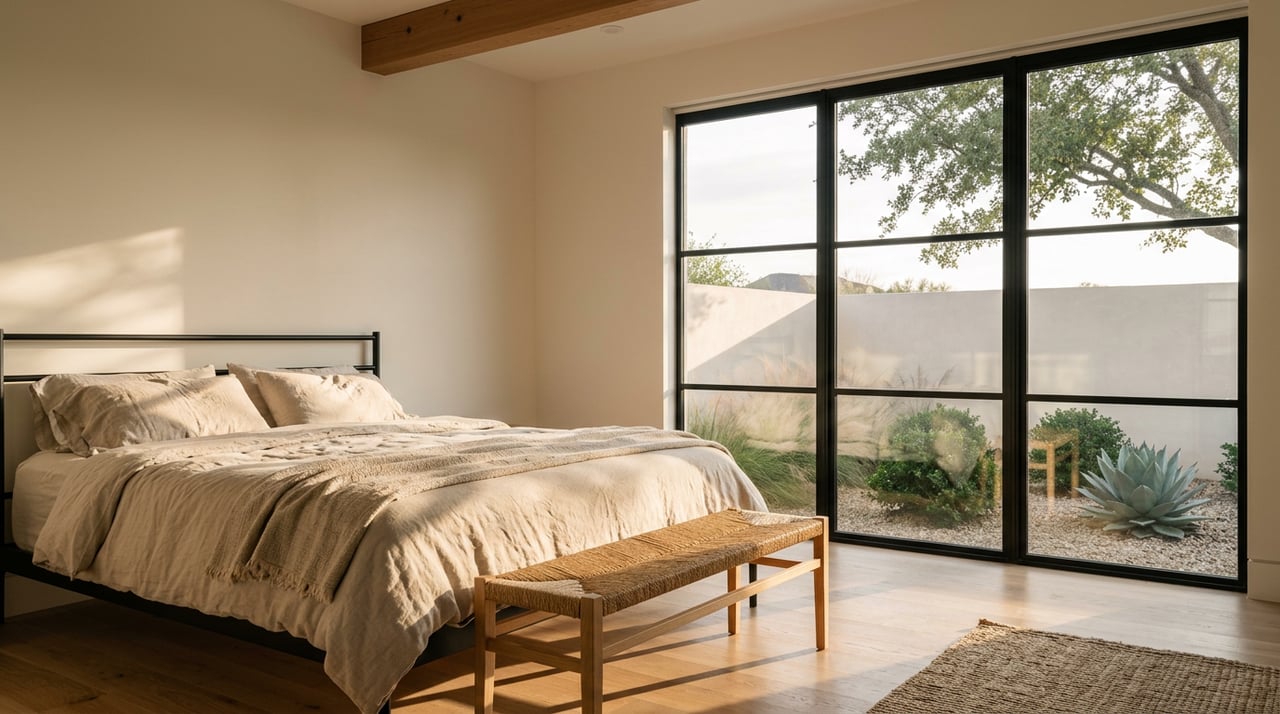
For buyers touring a custom home, the effect is simple. Rooms with quality windows often feel less drafty, less harsh in afternoon sun, and more consistent from one area to another.
NAHB says buyers increasingly want programmable thermostats, multizone HVAC systems, wired security systems, video doorbells, and energy management systems. These upgrades may not create the first photo that grabs attention online, but they often matter once a buyer is inside the home.
A large Colleyville home should not feel like one room is freezing while another struggles to cool down. Zoning and smart controls can make the house feel better balanced, which is something buyers tend to notice quickly.
Some upgrades are nearly invisible during a showing. NAR’s consumer guidance recommends practical efficiency improvements such as HVAC upgrades, smart thermostats, sealing air leaks, and adding insulation. NAHB also notes that airtight spray foam insulation is one example of a high-efficiency feature that may not be obvious at first glance.
Even so, buyers often feel the result. When a house feels quieter, more even, and less affected by outdoor heat, those hidden improvements can support a stronger overall impression.
Not every upgrade helps equally when it is time to sell. In general, the details with the broadest appeal are the ones that improve layout, storage, comfort, and finish quality without feeling too personal.
For many Colleyville buyers, that means features like a strong floor plan, useful built-ins, efficient windows, and restrained millwork or ceiling treatments. These details tend to support resale because they are practical, visible, and easier for a wide range of buyers to appreciate.
Before a showing, buyers often respond to what they can see clearly online. Based on NAR’s emphasis on floor plans and detailed property information, plus current design-trend coverage, the most noticeable features are usually:
If you are selling, these are often the areas worth evaluating before you list. If you are buying, these are smart places to look beyond surface styling.
In person, comfort becomes more obvious. Buyers may notice whether upstairs rooms cool evenly, whether the afternoon sun overheats a living space, or whether storage feels well planned.
That is where construction insight can help. A home can look polished in photos, but the real test is how it performs when you walk through it.
If you are touring custom homes in Colleyville, it helps to look at the home in layers. Start with the layout, then move to craftsmanship, then pay attention to comfort and systems.
A simple checklist can help:
This kind of review helps you see beyond cosmetic finishes. It also makes it easier to compare two homes that may look similar at first glance.
In a premium suburban market, details can influence both buyer confidence and sale results. The right advice is not just about taste. It is also about understanding which features signal quality, which ones improve daily living, and which ones can support resale.
That is especially important with custom homes, where workmanship and planning vary from property to property. A polished listing or a beautiful kitchen may catch your eye first, but the lasting value often comes from the details underneath.
If you want help evaluating a custom home in Colleyville or preparing one for the market, Bryan Bell brings hands-on building and remodeling experience to the process, along with thoughtful guidance for buyers and sellers who want to make confident decisions.
Stay up to date on the latest real estate trends.

Experience the expertise of Bryan Bell, a seasoned professional with 15 years in custom home building and remodeling, turned Real Estate Agent in 2014. With a unique background, Bryan ensures your home-buying journey is backed by unmatched knowledge and confidence, helping you find your dream home or make the right investment choice.